Frames & Flavors: Capturing Dammam’s Soul Through Its Street Food
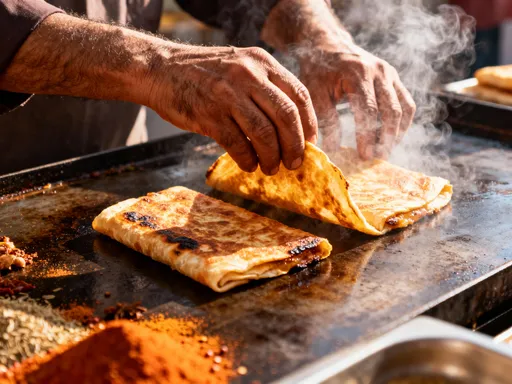
You know that feeling when a single bite tells a whole story? In Dammam, Saudi Arabia, every dish feels like a chapter of a rich cultural journey—and I couldn’t stop photographing it. From golden-laced mutabbaq sizzling on street griddles to steaming cups of cardamom-kissed Arabic coffee, the city’s food culture is vibrant, authentic, and deeply visual. This isn’t just eating—it’s an immersive experience where taste and imagery collide in the most beautiful way. Dammam, often seen as a gateway to the Eastern Province, reveals its true soul not in skyscrapers or highways, but in the quiet clatter of spoons against clay bowls, in the golden glow of lantern-lit food carts, and in the hands of those who have passed down recipes for generations. This is a city where flavor is framed by tradition, and every meal invites both the palate and the lens to linger.
Discovering Dammam: More Than an Oil City
Dammam is frequently labeled as Saudi Arabia’s industrial heartbeat, a city built on energy and economic ambition. Yet beneath its modern infrastructure and bustling port lies a cultural mosaic shaped by decades of migration, trade, and coastal life. Located on the shores of the Arabian Gulf, Dammam serves as a vital link between the Kingdom’s interior and the wider Gulf region. While it may not draw the same crowds as Jeddah or Riyadh, it offers something increasingly rare in the modern travel landscape: authenticity without performance. The city’s food scene is a direct reflection of its demographic diversity. With large communities from Yemen, India, Pakistan, Egypt, and the Levant, Dammam’s culinary identity is both rooted in Arabian tradition and enriched by global influences.
What makes Dammam especially compelling for food-focused travelers is its unpretentiousness. There are no curated food halls or Instagram-driven pop-ups here—just real people eating real food in real places. A Yemeni family runs a modest café serving mandi rice with slow-cooked lamb, its aroma drifting into the street. An Indian expat vendor fries samosas at dawn, his oil spattering in rhythm with the morning call to prayer. These are not staged experiences but daily rituals, repeated across neighborhoods like Al-Doha, Al-Nakheel, and Al-Rakah. For the observant traveler, particularly one with a camera, Dammam offers a chance to document a living culinary culture—one that thrives quietly, away from the spotlight.
Moreover, Dammam’s proximity to the sea adds another layer to its food narrative. Freshly caught hammour, kingfish, and shrimp appear at local markets within hours of being pulled from the Gulf. Fishermen still use traditional methods, and their catch is sold at modest prices to families and small restaurants alike. This connection between sea and plate is not just economic—it’s cultural. It shapes the way people eat, gather, and celebrate. To photograph Dammam’s food is to engage with this broader ecosystem of labor, community, and sustenance. It is to see beyond the plate and into the rhythm of daily life.
The Art of Food Photography in a Cultural Context
Photographing food in Dammam is not merely about composition or lighting—it’s an act of cultural observation. Each dish carries history, and every vendor has a story. The challenge lies in capturing not just the appearance of food, but its essence. This requires a mindful approach, one that respects the context in which the food is prepared and consumed. Natural light is often the best ally in this pursuit. In the covered sections of traditional suqs, shadows can be deep and uneven, but near the entrances, where sunlight filters through fabric canopies, the glow is soft and flattering. This is where the colors of saffron, turmeric, and dried limes come alive, their hues intensified without the harshness of flash.
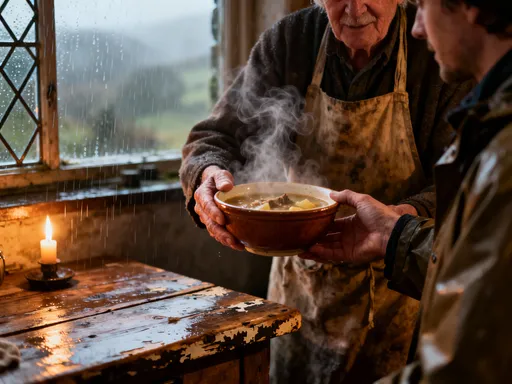
One of the most powerful visual elements in food photography is motion. A hand folding a mutabbaq, a ladle pouring thick lentil soup into a bowl, or steam rising from a freshly baked taboon bread—these are fleeting moments that convey authenticity. Capturing them requires patience and anticipation. Setting the camera to a slightly faster shutter speed can freeze the action, while a lower aperture creates a dreamy depth of field that isolates the subject. But technical precision means little without intention. It’s important to ask: what story does this image tell? Is it about craftsmanship? Generosity? Heritage?
Equally important is the ethical dimension of photographing people. In Dammam, as in much of Saudi Arabia, privacy and dignity are deeply valued. While many vendors are happy to be photographed—especially if approached with a smile and a simple request in Arabic—others may decline. A respectful photographer understands that a nod or a wave can be more valuable than a perfect shot. Building trust often leads to better access: an invitation to photograph a family meal, a behind-the-scenes look at a kitchen, or a portrait of a fisherman holding his morning catch. These moments, earned through kindness, result in images that resonate far more than any candid snapshot.
Golden hour, particularly along the Dammam Corniche, offers some of the most cinematic lighting for food photography. As the sun dips below the Gulf, the sky turns amber and rose, casting a warm glow over seaside shawerma stands and juice carts. The contrast between the cool blue of the water and the golden tones of grilled meat creates a natural visual harmony. For those seeking still-life compositions, this is the ideal time to arrange a shot of a wooden tray laden with dates, nuts, and a small cup of gahwa (Arabic coffee). The soft light enhances texture—the crinkle of flatbread, the gloss of honey on baklava—without washing out details.
Khuzama Market: A Visual Feast of Tradition and Taste
If Dammam has a culinary heart, it beats strongest in Khuzama Market. One of the city’s oldest and most vibrant food bazaars, Khuzama is a sensory immersion from the moment you step beneath its arched entrance. The air is thick with the perfume of cumin, cinnamon, and dried mint. Rows of stalls overflow with pyramids of dates in every shade—from deep mahogany to pale gold—each variety telling a different story of region and harvest. Spices are displayed in open bins, their colors so vivid they look almost unreal: saffron like threads of sunlight, sumac a deep rust red, and black lime cracked open to reveal a powdery, tangy core.
For photographers, Khuzama is a treasure trove of texture and movement. Vendors scoop fragrant cardamom pods into paper cones, their hands moving with practiced ease. Women in colorful abayas select almonds and pistachios for holiday sweets, their fingers brushing over the nuts like pianists testing keys. One of the most photogenic moments occurs at the ta’bisa stalls, where large silver trays hold round, golden-brown flatbreads dusted with sesame seeds. The baker pulls them from a clay oven, their surface blistered and crisp, steam escaping in delicate wisps. A close-up of the bread’s crust, with flour still clinging to its edges, tells a story of heat, time, and tradition.
The market is also a place of intergenerational exchange. Grandmothers guide their grandchildren through the spice aisles, teaching them how to distinguish good za’atar from an inferior blend. Young men from expatriate families shop for ingredients to recreate their mother’s recipes. These quiet interactions, often overlooked, are rich with photographic potential. An overhead shot of a shopping basket filled with dried limes, rose petals, and bay leaves can become a still life that speaks to heritage and memory. A wide-angle view of the market’s central alley, crowded yet orderly, captures the rhythm of daily commerce.
For those documenting food culture, Khuzama offers more than aesthetics—it offers context. The prices are modest, the service is unhurried, and the focus is on quality, not spectacle. There are no food influencers here, no neon signs or branded packaging. What you see is what has been for decades: a community feeding itself with pride and care. To photograph in Khuzama is to participate in that continuity, to honor the quiet dignity of those who keep tradition alive, one spice jar at a time.
Street Food Hotspots That Beg for a Shot
Dammam’s street food scene thrives in pockets of the city where flavor trumps formality. One of the most beloved destinations is Prince Mohamed bin Fahd Road, a bustling artery that comes alive at night with the scent of grilled meat and simmering rice. This is kabsa territory—the national dish of Saudi Arabia, a fragrant one-pot meal of spiced rice and chicken or lamb. The best kabsa stalls here operate out of small, unmarked shops or food trucks, their windows fogged with steam. The visual contrast is striking: dark, charred pieces of meat stacked on metal trays beside mounds of yellow-tinted rice flecked with raisins and almonds. A well-composed shot might include the vendor’s tongs lifting a portion onto a disposable plate, the steam rising like a whisper.
Along the Dammam Corniche, the seaside promenade offers a different kind of culinary experience. Here, shawerma stands line the walkway, their vertical rotisseries turning slowly, slices of marinated beef and chicken caramelizing at the edges. The best time to photograph is early evening, when families stroll and children chase bubbles from street vendors. The backlight of the setting sun creates silhouettes of vendors slicing meat with long, sharp knives, the flakes falling in perfect layers. A close-up of the shawerma being wrapped in thin pita, with tahini sauce dripping down the side, captures both motion and indulgence.
In the Al-Rakah District, a quieter neighborhood with a strong local presence, hidden gems abound. Small halal bakeries produce fresh samosas, sambusak, and cheese-filled pastries every morning. These shops often lack signage, known only by word of mouth. Inside, women work behind counters, folding dough with swift precision, their fingers dusted with flour. The ovens are always hot, and the air is sweet with the scent of baking butter. A photo series here might follow the journey of a single pastry—from mixing to frying to serving—highlighting the care embedded in each step.
For photographers, timing is essential. Midday heat can flatten colors and create harsh shadows, while late afternoon and early evening offer softer, more dynamic lighting. Weekends are busier, but weekdays often provide clearer shots with fewer crowds. The key is to move with the rhythm of the city, to anticipate when the busiest moments occur and when the quiet interludes allow for intimate compositions. Whether it’s a vendor wiping down a counter, a child reaching for a date-filled cookie, or a couple sharing a plate of foul medammes at sunrise, these unguarded moments are the soul of Dammam’s street food story.
Signature Dishes That Define Dammam’s Palate
To understand Dammam through food is to taste its most iconic dishes—each one a testament to centuries of adaptation and tradition. Jareesh, for example, is a humble yet profound dish made from crushed wheat slow-cooked with meat and spices until it reaches a porridge-like consistency. Often served during Ramadan or family gatherings, jareesh embodies comfort and communal dining. Photographing it requires attention to texture: the coarse grains, the tender shreds of lamb, the golden drizzle of ghee on top. An overhead shot of a large platter, shared among several people, emphasizes its role as a unifying meal.
Mutabbaq is another cornerstone of Dammam’s street food identity. This flaky, pan-fried pastry can be filled with minced meat, eggs, bananas, or cheese, depending on the region and vendor. What makes it visually captivating is its layers—each fold of dough crisping into a golden lattice. Capturing the moment a vendor flips the mutabbaq in a wide, blackened skillet reveals both skill and heat. A macro shot of the cross-section, showing the molten filling oozing from the center, evokes both craftsmanship and indulgence.
Saleeg, a creamy rice dish originating from the Hejaz but widely loved in the Eastern Province, is another favorite. Slow-cooked with milk and cardamom, it has a silky texture and subtle sweetness, often served with boiled eggs and fried onions. It’s a breakfast staple and a comfort food for the ill or elderly. To photograph saleeg is to capture serenity—the smooth surface of the rice, the delicate garnish of cinnamon, the quiet moment of a family sharing a morning meal. A soft focus on the steam rising from the bowl can add a poetic touch, suggesting warmth and care.
These dishes are not just meals; they are cultural markers. They appear at weddings, funerals, religious holidays, and everyday dinners. They are passed down through generations, with each family claiming a slight variation. To photograph them is to document continuity—to show how food preserves identity in a rapidly changing world. The key is to present them not as exotic curiosities, but as lived experiences, deeply woven into the fabric of daily life.
Behind the Scenes: Meeting the Makers
No food story is complete without the people who make it possible. In Dammam, the true authors of the culinary narrative are the fishermen, grandmothers, street vendors, and home cooks who keep tradition alive. At Dammam Port, just before sunrise, fishing boats return with their catch. Men in rubber boots unload crates of shimmering hammour and kingfish, their faces weathered by sun and salt. A photographer who arrives early can capture the raw energy of this moment—the gulls circling overhead, the nets being coiled, the first auction of the day beginning on the dock. These images connect the meal on the plate to the labor of the sea.
In family kitchens, especially during holidays, elderly women take center stage. They knead dough for samboosas, stir pots of jareesh, and instruct younger relatives with quiet authority. Their hands, marked by years of work, move with precision and grace. A portrait of a grandmother shaping dough, her eyes focused, her sleeves rolled up, tells a story of legacy and love. These are not performances for tourists—they are acts of care, repeated without fanfare.
Young chefs, too, are redefining Dammam’s food landscape. Some trained abroad, others are self-taught, but all share a desire to honor tradition while introducing subtle innovations. A new generation of food entrepreneurs is opening modest cafes that serve modern takes on classic dishes—like cardamom-infused lattes or date syrup drizzled over avocado toast. These spaces, often decorated with local art and vintage kitchenware, reflect a growing pride in Saudi culinary identity. Photographing them requires a balance: showing change without erasing roots, highlighting creativity without exoticizing culture.
Building relationships with these makers is essential. A simple conversation, a shared cup of tea, or a thank-you in Arabic can open doors. When people feel respected, they are more likely to invite you into their world. The resulting photographs—whether of a fisherman holding a barracuda, a baker pulling bread from the oven, or a mother serving dinner to her children—carry authenticity because they are born of trust.
From Lens to Legacy: Sharing Dammam’s Food Story
Photography has the power to preserve what is fleeting. A plate of food is consumed in minutes, a market stall may close in years, and recipes can be lost across generations. But an image can endure. When done with care, food photography becomes more than documentation—it becomes a form of cultural stewardship. The photos taken in Dammam’s markets, kitchens, and streets are not just personal mementos; they are contributions to a larger narrative about identity, resilience, and connection.
In an age of filters and fleeting trends, there is value in slowing down. Instead of chasing the perfect aesthetic, photographers can aim for honesty. A slightly blurred shot of a vendor’s hands, a photo taken in low light with grain, or an unposed family meal can feel more real than any polished composition. These imperfections often carry the most emotion. They remind us that food is not just about beauty—it’s about life.
Sharing these images thoughtfully can foster greater understanding. When travelers post photos of Dammam’s street food with context—explaining what jareesh is, who makes it, and why it matters—they invite others to see beyond stereotypes. They challenge the notion that Saudi Arabia is only about oil or austerity, revealing instead a culture rich in flavor, warmth, and artistry. Social media, when used with intention, can become a bridge between worlds.
Dammam may never be the most famous destination in Saudi Arabia, but it doesn’t need to be. Its quiet strength lies in its authenticity, in the way it feeds its people with pride and generosity. For the traveler with a camera and an open heart, it offers a rare opportunity: to see, to taste, and to honor a culture through its most universal language—food. Every bite is a story. Every photo is a tribute. And every visit is a chance to become part of Dammam’s unfolding culinary legacy.