Lights, Lenses, and Festive Magic: Haifa’s Hidden Photo Gems Uncovered
Have you ever seen a city glow like it’s alive? That’s Haifa during festival season. Nestled along Israel’s coastline, this vibrant city transforms into a visual wonderland when celebrations light up its hills and streets. I’ve walked its paths during these moments, camera in hand, and what I captured took my breath away. From golden-hour shots at the Baha’i Gardens to candid festival laughter in Wadi Nisnas, Haifa offers photographers unforgettable scenes—real, rich, and radiating joy. The way light dances across its terraced hills, the harmony of cultures blending in public spaces, and the warmth of community gatherings create a rare visual tapestry. This is not just a city of contrasts; it’s a city of connection, where every corner seems to whisper a story waiting to be framed.
Why Haifa Shines During Festivals
Haifa’s unique cultural mosaic comes vibrantly to life during its seasonal festivals, making it one of the most visually compelling cities in the region for photography. Unlike other urban centers where celebrations may feel segmented, Haifa’s holiday spirit flows through neighborhoods with a natural rhythm, uniting Jewish, Arab, and international communities in shared public joy. Events such as Sukkot, Hanukkah, and the local Arab cultural festivals are not just religious or seasonal observances—they are visual spectacles. Streets are strung with lights, public squares echo with music, and homes open their doors to neighbors and visitors alike. This openness creates an atmosphere of genuine warmth, ideal for capturing authentic human moments.
The city’s geography enhances this effect. Perched on the slopes of Mount Carmel and facing the Mediterranean Sea, Haifa’s topography allows light to cascade across its hills in dramatic fashion during evening celebrations. The interplay of natural terrain and artificial illumination offers photographers a dynamic canvas. During Hanukkah, for instance, public menorah lightings at City Hall and in central plazas draw families who linger long after the ceremony, their faces glowing in the candlelight. These are not staged moments but spontaneous gatherings rich with emotion and cultural significance.
Equally powerful are the city-wide events like the Holiday of Holidays, a winter festival that coincides with Hanukkah, Christmas, and Islamic holidays. Organized with inclusivity at its core, the festival features light displays, food markets, and performances that reflect Haifa’s diverse population. Photographers can witness children marveling at illuminated sculptures, elders sharing stories on park benches, and musicians performing traditional tunes in mixed-language sets. The festival is not just a celebration of light but of coexistence—a theme that resonates deeply in every image captured.
What sets Haifa apart is the accessibility of these experiences. Unlike major tourist hubs where festivities may feel commercialized or crowded beyond intimacy, Haifa retains a human scale. Residents welcome visitors with curiosity rather than suspicion, allowing for respectful interaction and unobtrusive observation. This makes it easier to document life as it unfolds, without the barriers that often exist in more guarded urban environments. For photographers seeking both beauty and meaning, Haifa’s festival season offers a rare combination: visual richness and emotional depth.
The Baha’i Gardens: Where Light Meets Landscape
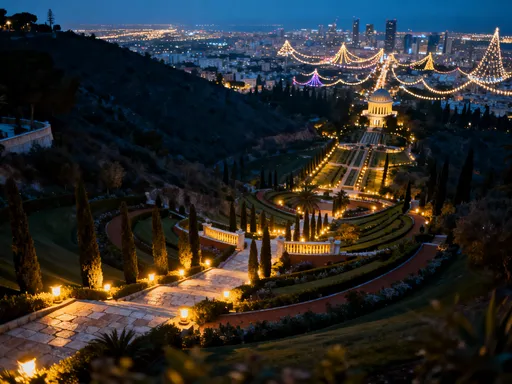
No destination in Haifa captures the imagination quite like the Baha’i Gardens, especially when illuminated during festival evenings. Cascading down the northern slope of Mount Carmel in 19 symmetrical terraces, this UNESCO World Heritage site is a masterpiece of design, precision, and serenity. During holidays, the gardens are enhanced with soft, golden lighting that traces the contours of fountains, hedges, and stairways, transforming the space into a luminous dreamscape. The effect is both ethereal and grounded—a balance of spiritual symbolism and earthly beauty that inspires awe in visitors and photographers alike.
The best time to photograph the gardens is during blue hour, the brief window after sunset when the sky transitions from deep orange to indigo. At this time, the artificial lights of the gardens harmonize with the fading natural light, creating a balanced exposure that preserves detail in both shadows and highlights. Long exposures of 10 to 30 seconds work exceptionally well, especially when using a tripod to capture the smooth flow of water in the central fountain. The symmetry of the layout lends itself to centered compositions, while wide-angle lenses emphasize the grandeur of the descent from the upper terrace to the golden-domed Shrine of the Bab.
For those seeking less crowded vantage points, the lower gardens near the base of the slope offer quieter opportunities. The viewing platform at the end of the central axis provides a panoramic frontal view, ideal for capturing the full scale of the illuminated terraces. Another excellent spot is the pathway along Louis Promenade, a public walkway that runs parallel to the gardens at mid-slope. From here, photographers can shoot diagonally across the terraces, creating layered compositions that include the city skyline and the Mediterranean in the background.
During major festivals, temporary lighting installations are sometimes added—delicate string lights along pathways, illuminated floral displays, or themed projections on the retaining walls. These enhancements do not disrupt the gardens’ tranquility but rather deepen their festive atmosphere. Because the site is closed to visitors during evening hours, photography must be done from public viewing areas. This limitation encourages creativity: framing shots through trees, using reflections in nearby windows, or capturing silhouettes of onlookers against the glowing landscape.
Equally important is timing. Weekday evenings are significantly less crowded than weekends, and arriving before sunset allows photographers to scout locations and set up equipment without rush. Early December, during Hanukkah, is particularly magical, as the warm glow of the menorah lighting at the nearby Chabad center complements the cool tones of the garden lights. The combination of religious celebration and architectural beauty creates a layered narrative—one that speaks to both faith and human artistry.
Wadi Nisnas: Culture, Color, and Candid Moments
If the Baha’i Gardens represent Haifa’s serene elegance, Wadi Nisnas embodies its vibrant soul. This historic Arab neighborhood, nestled in the heart of the city, becomes a pulsing center of energy during the Holiday of Holidays and Sukkot. Narrow streets that usually echo with daily life burst into color, sound, and movement as vendors set up stalls, musicians take to makeshift stages, and families stroll through the festive lanes. The air fills with the scent of grilled meat, spices, and fresh bread, while the walls—already adorned with murals—gain additional decorations: paper lanterns, fabric banners, and hand-painted signs in Hebrew and Arabic.
For documentary photographers, Wadi Nisnas is a treasure trove of authentic moments. Children chase each other between tables laden with ma’amoul and baklava, elders sip tea at sidewalk cafes, and artisans demonstrate traditional crafts like embroidery and pottery. The annual festival transforms the neighborhood into an open-air celebration of coexistence, where Jewish and Arab families celebrate side by side. Capturing these interactions requires patience and sensitivity—waiting for the right moment, respecting personal space, and avoiding intrusive behavior.
Street photography here thrives on spontaneity. A sudden burst of dabke dancing in the central square, a vendor tossing za’atar in the air for effect, or a grandmother adjusting her granddaughter’s headscarf before a family photo—these are the moments that define the spirit of the place. Using a 35mm or 50mm prime lens allows for close, intimate framing without appearing aggressive. Shooting in aperture priority mode with a wide opening (f/1.8 to f/2.8) helps isolate subjects against the busy background, while a higher ISO setting compensates for the mixed lighting conditions.
Equally important is cultural awareness. While Wadi Nisnas is welcoming, some residents may be uncomfortable with being photographed, especially in private or religious contexts. A simple smile, a nod, or a quiet gesture of asking permission goes a long way. In many cases, people are happy to be included—especially if they understand the photographer’s intent to celebrate the neighborhood’s spirit. Building rapport, even briefly, often leads to more natural and meaningful images.
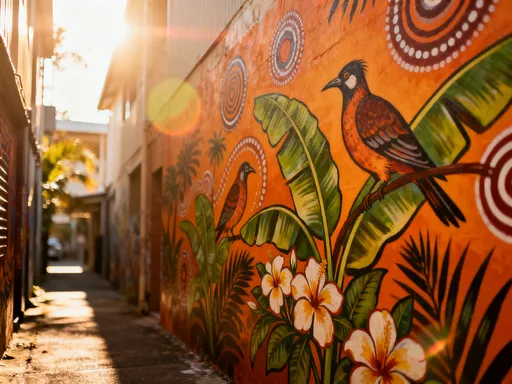
The murals themselves are photographic subjects of great depth. Painted over decades, they depict themes of peace, heritage, and resistance, often blending Palestinian identity with broader messages of unity. During festivals, these artworks are highlighted with spotlights or surrounded by temporary installations, creating dramatic contrasts between light and shadow. Photographing them at night, with a slow shutter speed, can capture both the texture of the paint and the glow of the surrounding festivities.
Mount Carmel’s Hidden Lookouts
Beyond the well-trodden paths of the Baha’i Gardens and Wadi Nisnas, Mount Carmel harbors a network of lesser-known vantage points that offer breathtaking views of Haifa’s festival-lit skyline. These spots, often frequented by locals but overlooked by tourists, provide photographers with solitude and expansive perspectives. From elevated trails to quiet park benches, they allow for wide-angle compositions that capture the city’s glow as it spills down the hills toward the sea.
One of the most rewarding locations is along Ein Hod Road, a winding route that connects Haifa to the artist village of Ein Hod. About halfway down, a small pull-off offers an unobstructed view of the lower city, especially during winter festivals when holiday lights illuminate entire neighborhoods. The contrast between the dark silhouette of the mountain and the twinkling grid of urban lights creates a striking visual effect. Using a tripod and a remote shutter release, photographers can capture long exposures that render car headlights as smooth streaks along the coastal highway, adding motion to the stillness of the night.
Another excellent spot is the Stella Maris promenade, located near the Carmelite monastery. This seaside walkway faces west, offering a panoramic view of the bay framed by the city’s illuminated skyline. During Hanukkah, the public menorah at Bat Galim Beach adds a warm focal point to the composition. The sound of waves and the cool sea breeze enhance the sensory experience, making it easier to wait patiently for the perfect shot—such as a family gathered around the menorah, their faces lit by the flames.
For those willing to hike, the Mount Carmel National Park trails provide even more secluded options. The Ohel David trail, for instance, leads to a rocky outcrop with a 180-degree view of Haifa Bay. From here, the city appears as a constellation of light, with the port’s cranes glowing like sentinels in the distance. Because these areas are less accessible, they remain uncrowded, allowing for extended shooting sessions without disruption. A headlamp, warm clothing, and a sturdy tripod are essential for safety and stability.
These lookouts are particularly effective during clear winter nights when the air is crisp and the atmosphere scatters less light pollution. The combination of elevation, distance, and natural framing makes them ideal for capturing the city as a whole—its lights not as isolated points but as a living, breathing entity shaped by celebration and community.
Carmel Market & Festive Street Life
The Carmel Market, or Ha’Carmel, is more than Haifa’s largest open-air market—it’s a living stage where daily life and festival energy collide. During holidays, the market undergoes a quiet transformation. Strings of lights appear above the stalls, vendors sell seasonal treats like sufganiyot during Hanukkah or date-filled pastries during Arab celebrations, and the usual bustle gains an extra layer of excitement. The sensory overload—colors, sounds, smells—creates a photographer’s paradise, where every turn offers a new composition.
Early morning is the best time to capture the market’s rhythm before the crowds peak. Stalls are being set up, vendors arrange their produce with care, and the first shoppers bargain with familiar ease. The interplay of natural light filtering through the metal canopy and the warm glow of lanterns creates a chiaroscuro effect, perfect for black-and-white photography. As the day progresses, the light becomes more dynamic, especially when sunlight breaks through gaps in the roof, illuminating a pile of pomegranates or a basket of fresh herbs.
Lens choice is crucial here. A 24-70mm zoom lens offers flexibility, allowing photographers to switch between wide scenes of the market aisle and tighter shots of hands exchanging money or a vendor’s weathered face. A polarizing filter can help reduce glare on wet surfaces after a morning cleaning, while a fast prime lens excels in low-light corners where the holiday decorations cast dramatic shadows.
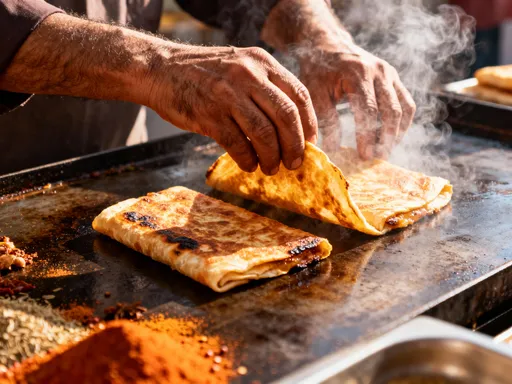
What makes the Carmel Market unique during festivals is the way tradition and commerce intertwine. A spice seller might hang small Hanukkah decorations beside his saffron jars, while a clothing stall displays both kippot and embroidered thobes. These subtle details speak to the city’s pluralism and are worth seeking out. Rather than rushing through, photographers benefit from slowing down—observing, waiting, and letting moments unfold naturally.
Festival Lights on the Coast: From Bat Galim to Hof HaCarmel
Haifa’s coastline, stretching from Bat Galim in the north to Hof HaCarmel in the south, becomes a canvas of light during holiday seasons. The marina, with its moored boats and waterfront promenade, is adorned with festive decorations—twinkling garlands, illuminated sailboat sculptures, and themed displays that reflect the maritime character of the city. During winter festivals, temporary installations like light tunnels or interactive projections invite both children and adults to engage with the environment, creating lively scenes for candid photography.
The beachfront at Bat Galim is particularly photogenic during public menorah lightings. Families gather on the sand, wrapped in blankets, as the candles are lit against the backdrop of the dark sea. The reflection of the flames on the water adds a poetic dimension to the image, while the silhouette of the crowd creates a sense of unity and reverence. Because the area is open and accessible, photographers can move freely, adjusting angles and distances to find the most compelling composition.
Hof HaCarmel, a bit further south, offers a quieter alternative. This public park and beach area hosts seasonal events with less congestion, making it ideal for capturing intimate family moments or lone figures walking along the shore under string lights. The combination of natural dunes, pine groves, and soft illumination creates a dreamlike atmosphere, especially in the early evening when the last light lingers on the horizon.
Safety and accessibility are well managed along the coast. Well-lit pathways, security personnel during major events, and clear signage ensure a comfortable experience for visitors and photographers alike. However, it is advisable to keep equipment secure and avoid shooting from unstable surfaces like seawalls. Using a neck strap or sling bag helps maintain control in crowded areas.
Photography Tips Tailored to Haifa’s Festival Energy
Capturing Haifa’s festival magic requires more than a good camera—it demands preparation, awareness, and respect. Start with gear: a mirrorless or DSLR camera with a versatile zoom lens (24-70mm) is ideal for most situations. A wide-angle lens (16-35mm) excels in landscape and architectural shots, while a 50mm prime delivers stunning portraits and low-light performance. Don’t forget extra batteries; cold winter nights and continuous shooting can drain power quickly. A portable charger is a wise addition.
Lighting in urban festival environments is complex—mixes of tungsten, LED, and candlelight can create color temperature challenges. Shooting in RAW format allows for greater flexibility in post-processing, where white balance can be adjusted precisely. Using manual mode gives full control over exposure, especially when balancing bright lights with dark surroundings. A tripod is essential for long exposures, particularly in low-traffic areas like the Baha’i viewing points or coastal lookouts.
Managing crowds is another key consideration. Arrive early to secure good positions, especially for public ceremonies. Use a telephoto lens (70-200mm) to isolate subjects from a distance without intruding. Be mindful of personal space and avoid blocking pathways. Ethical photography means prioritizing people’s dignity over the perfect shot. When in doubt, ask for permission—most people appreciate the gesture, and their consent often results in more genuine expressions.
Finally, remember that the best photographs are not just technically sound but emotionally resonant. Haifa’s festivals are about connection, joy, and shared humanity. Let your images reflect that spirit. Whether you’re using a professional setup or a smartphone with a good camera, the goal is the same: to preserve the fleeting beauty of a city illuminated by celebration and heart.
Conclusion
Photographing Haifa during its festive seasons isn’t just about capturing beauty—it’s about preserving the soul of a city in motion. Each frame tells a story of harmony, celebration, and light overcoming darkness. Whether you're a seasoned shooter or an enthusiast with a smartphone, Haifa invites you to see, feel, and share its magic. The Baha’i Gardens’ glowing terraces, the laughter in Wadi Nisnas, the quiet majesty of Mount Carmel’s overlooks—these are not just scenes but moments of human connection, elevated by light and season. The city does not perform for the camera; it simply lives, and in doing so, offers images of rare authenticity. Ready your lens. The city is waiting.