You Won’t Believe These Banff Viewing Secrets I Found
Imagine standing where the sky kisses jagged mountain peaks and lakes glow in surreal turquoise. Banff isn’t just a destination—it’s a visual symphony. I’m sharing real, down-to-earth tips that transformed my viewing experience, from golden-hour magic to hidden lookouts most tourists miss. If you want to see Banff not just with your eyes, but with your soul, this is where your journey begins. These insights are rooted in personal exploration, local advice, and careful planning—all designed to help you experience the Canadian Rockies in their most authentic, awe-inspiring form.
Why Timing Is Everything for Banff’s Best Views
One of the most powerful tools in any traveler’s kit is not a camera or hiking boot—it’s timing. In Banff National Park, when you visit can shape your entire experience. Early mornings offer stillness and clarity unmatched at any other hour. As the sun rises behind the Rockies, it casts a soft, golden light across the landscape, illuminating snow-dusted peaks and turning alpine lakes into liquid mirrors. This period, known as the golden hour, enhances natural contrast and brings out the vivid blues and greens of glacier-fed waters like Moraine Lake and Lake Louise.
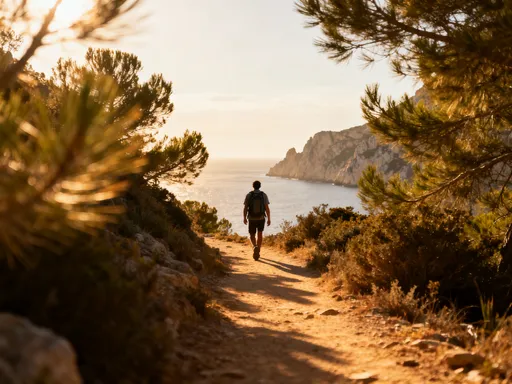
Equally compelling is the blue hour—just before sunrise or after sunset—when the sky deepens into cool indigo tones, creating a dramatic backdrop for silhouetted mountain ridges. During these quiet times, wildlife becomes more active, and the absence of crowds allows for deeper connection with nature. You might find yourself alone on a trail, listening to the distant call of a raven or the gentle lap of water against stone, feeling truly immersed in the wilderness.
The season you choose also plays a critical role. While July and August draw the largest number of visitors, they often come with trade-offs: midday haze, packed parking lots, and limited access due to shuttle requirements. Spring and fall—known as shoulder seasons—offer fewer people, cooler temperatures, and often clearer air. September, in particular, brings golden larch trees and crisp skies, making it ideal for photography and extended hikes without overheating. Even winter, though colder, provides stunning snowscapes and unique opportunities to witness frozen waterfalls and ice-glazed forests under pristine conditions.
By aligning your visit with optimal lighting and seasonal patterns, you dramatically increase your chances of experiencing Banff at its most radiant. Timing isn’t just about convenience; it’s about intention. Choosing to rise early or travel off-peak isn’t a sacrifice—it’s an investment in quality moments that stay with you long after the trip ends.
Top 3 Must-Visit Viewpoints (And What to Watch For)
Certain viewpoints in Banff have earned their fame for good reason—they deliver breathtaking panoramas that encapsulate the grandeur of the Canadian Rockies. Among them, Sulphur Mountain, Lake Louise, and Moraine Lake stand out as essential stops for any visitor seeking unforgettable visuals. Each offers something distinct, from sweeping vistas to mirror-like reflections, and knowing what to look for enhances the experience far beyond a simple photo opportunity.
Sulphur Mountain, accessible via a scenic gondola ride or a challenging hike, provides one of the most comprehensive views in the park. At the summit, a boardwalk leads to the Sanson’s Peak Meteorological Station, where you can gaze across six mountain ranges on a clear day. The east-facing overlook captures sunrise beautifully, with light spilling into the Bow Valley like molten gold. On clear mornings, you may even see the distant outline of the Great Plains meeting the sky. For photographers, a wide-angle lens captures the scale, while a telephoto reveals intricate details in distant rock formations.
Lake Louise, perhaps the most iconic lake in Canada, rewards visitors with its emerald waters framed by the Victoria Glacier. While the main shoreline is often busy, arriving before 7 a.m. ensures a quieter atmosphere and better chances for still water—critical for capturing perfect reflections. The Fairmont Chateau Lake Louise grounds offer several vantage points, but walking east along the lakeshore path reveals less-photographed angles. Look for the small wooden footbridge near the tea house; from there, the composition of water, forest, and mountain creates a balanced, serene image.
Moraine Lake, located in the Valley of the Ten Peaks, is legendary for its intense turquoise hue, created by fine glacial rock flour suspended in the water. Although vehicle access is restricted to shuttles during peak months, arriving early secures a front-row seat to one of nature’s most dazzling displays. The most popular route is the moderate hike to the Rockpile Trail, which takes about 10–15 minutes and opens up a panoramic view used on the old Canadian $20 bill. From this perch, the lake stretches below like a jewel, surrounded by towering peaks. On calm days, the reflection is so sharp it feels like looking into another world.
Each of these locations demands patience and awareness. Weather can shift rapidly, and visibility varies daily. But with thoughtful planning—checking sunrise times, monitoring trail alerts, and allowing time to simply sit and absorb—the rewards are immeasurable. These aren’t just photo spots; they are places where the soul pauses, and the mind expands in the presence of true natural wonder.
Secret Spots Only Locals Know About
Beyond the postcard-perfect lakes and well-marked trails lie quieter corners of Banff that offer intimacy without sacrificing beauty. These lesser-known locations are not hidden because they’re dangerous or off-limits, but because they’re often overlooked by those following standard itineraries. For travelers seeking peace and unobstructed views, places like Johnson Lake, Two Jack Lake, and the upper trail beyond Johnston Canyon are treasures worth discovering.
Johnson Lake, nestled just off the Lake Minnewanka Road, is a small, forest-ringed lake that remains refreshingly uncrowded despite its accessibility. A flat, 2.5-kilometer loop trail circles the water, making it ideal for families or those looking for a gentle walk. The western side of the lake offers a clear view of Mount Rundle across the trees, and on still mornings, the reflection rivals anything seen at Lake Louise—without the crowds. Picnic tables and a small beach area make it perfect for a quiet lunch or a moment of contemplation. Because it’s less promoted, many visitors pass it by, but those who stop often linger, drawn in by its calm energy.
Two Jack Lake, located just minutes from the town of Banff, is another local favorite. It’s smaller than its famous neighbors but offers a peaceful retreat with views of Sulphur Mountain. The shoreline trail is short and well-maintained, suitable for all ages. In early summer, wildflowers bloom along the path, adding color to the green canopy. The lake freezes solid in winter, becoming a popular spot for ice skating when conditions allow. Unlike busier sites, Two Jack rarely feels crowded, even on weekends, making it ideal for sunrise meditation or a quiet coffee by the water.
For those willing to go a little further, the extended trail past the Upper Falls in Johnston Canyon leads to the Ink Pots—seven colorful mineral springs set in a meadow surrounded by forest. While the canyon itself can be busy, especially in summer, continuing beyond the main attraction thins the crowd significantly. The Ink Pots are quieter, with wooden boardwalks protecting the fragile ecosystem. The springs range from rust red to deep green, fed by underground flows rich in iron and calcium. The area feels secluded, almost secret, and the sound of the forest replaces the echo of voices. This stretch of trail is longer—about 5.8 kilometers one way—but the journey feels meditative, a slow unfolding of forest, stream, and light.
These spots remind us that Banff’s magic isn’t confined to the most photographed places. With a little curiosity and a willingness to explore beyond the brochure, you can find your own quiet corner of the mountains. These are the places where memories form not from ticking boxes, but from feeling present, grounded, and deeply connected to the land.
How Weather Can Make or Break Your Experience
In the mountains, weather is not just background noise—it’s a central player in your viewing experience. A single cloud layer can obscure a summit, while a sudden wind can ripple a lake’s surface, ruining the mirror effect so prized by photographers. Understanding Banff’s weather patterns and learning to work with them, rather than against them, is essential for maximizing your time in the park.
The Canadian Rockies are known for rapid changes in conditions. A sunny morning can give way to afternoon thunderstorms, especially in summer. Morning hours typically offer the calmest winds and clearest skies, which is why early arrival is so effective. By midday, heat rising from the valleys can trigger cloud buildup, particularly over high peaks. This means that even if the forecast looks promising at dawn, conditions may deteriorate by noon. Checking real-time updates throughout the day is crucial.
Cloud cover is perhaps the most influential factor in visibility. High cirrus clouds may add drama to a sunset, but thick overcast can dull colors and hide mountain profiles entirely. Tools like Windy.com, WeatherCAN, and Parks Canada’s own trail condition reports provide detailed forecasts, including cloud ceiling height and precipitation chances. Many experienced travelers also use satellite time-lapse features to watch cloud movement in real time, helping them decide whether to wait at a viewpoint or try another location.
Temperature and wind also affect comfort and clarity. Cold air holds less moisture, often leading to sharper visibility, especially in early fall or winter. Wind, however, can create waves on lakes, disrupting reflections. Calm mornings after a cool night are ideal for still water. If you’re planning a sunrise visit, dressing in layers is essential—temperatures can be near freezing even in summer, and warming up takes time once you’re still.
Winter brings its own challenges and rewards. Snow cover enhances contrast and highlights terrain, but short daylight hours and icy trails require preparation. On the other hand, cold, high-pressure systems often bring exceptionally clear skies, perfect for long-range photography. The key is flexibility. Being ready to shift plans based on current conditions—switching from a lake visit to a mountain overlook, for example—can turn a potential disappointment into a highlight. Weather doesn’t have to be perfect to be beautiful; sometimes, a break in the clouds revealing a single illuminated peak is more powerful than endless blue sky.
Choosing the Right Gear Without Overpacking
Great views don’t require expensive gear, but the right tools can deepen your experience. The goal is to carry only what enhances your comfort and connection to the landscape, without burdening your journey. A well-chosen set of essentials makes a difference in how long you can stay, how clearly you can see, and how safely you can explore.
For photography, a polarizing filter is one of the most valuable accessories. It reduces glare on water and snow, deepens blue skies, and brings out the texture in rock and ice. Even smartphone users can benefit from clip-on lenses that offer similar effects. A lightweight tripod allows for long-exposure shots during low light, capturing smooth water or star trails. However, large camera bags and heavy lenses are often unnecessary—many of Banff’s best moments happen spontaneously, and being agile lets you respond quickly.
Binoculars, often overlooked, are excellent for studying distant peaks, spotting wildlife, or appreciating fine details in rock formations. Compact models fit easily in a daypack and can transform a casual glance into a focused observation. Similarly, quality sunglasses with UV protection are essential, especially near snow or water where glare is intense. Choose lenses with polarization to reduce reflection and improve visual clarity.
Clothing is just as important as optical gear. Layering is the foundation of mountain comfort. Start with a moisture-wicking base layer, add an insulating mid-layer like fleece, and finish with a wind- and water-resistant outer shell. Hats and gloves are useful even in summer, especially at higher elevations. Sturdy, broken-in hiking boots with good tread provide stability on rocky or slippery trails. Comfortable footwear means you can walk farther, stand longer, and explore more deeply.
A small backpack with water, snacks, a first-aid kit, and a map completes the kit. Digital tools are helpful, but paper maps don’t rely on battery life. The idea is not to carry everything, but to carry what matters—items that support safety, comfort, and presence. When you’re not struggling with weight or cold, you’re free to look up, breathe deeply, and truly see.
Viewing Responsibly: Protecting the Beauty You’re Here to See
The increasing popularity of Banff brings both joy and responsibility. More visitors mean greater impact on trails, wildlife, and ecosystems. To ensure these landscapes remain breathtaking for future generations, mindful behavior is not optional—it’s essential. Responsible viewing means enjoying the park without leaving a trace or disrupting its balance.
Staying on marked trails is one of the simplest yet most effective ways to protect the environment. Alpine soils are fragile, and a single footstep off-path can damage vegetation that takes decades to recover. Boardwalks and viewing platforms exist for a reason—they keep people safe while minimizing erosion and habitat loss. Respecting these boundaries preserves both the land and the experience for others.
Wildlife safety is equally important. Animals like elk, deer, and bears are part of Banff’s soul, but they are wild and unpredictable. Keeping a safe distance—ideally 30 meters for most animals and 100 meters for bears and wolves—protects both you and them. Never feed wildlife, as human food can harm their health and alter natural behaviors. If you encounter an animal, observe quietly, give space, and move on. Parks Canada provides clear guidelines on wildlife interactions, and following them ensures that these creatures can thrive in their natural home.
Minimizing noise contributes to a respectful atmosphere. Loud conversations, music, or sudden movements can disturb animals and disrupt the peace other visitors seek. Speaking softly, using headphones, and moving with awareness help maintain the serenity of the mountains. Picking up all trash—including food scraps and tissues—prevents litter and reduces the risk of animals being attracted to human areas.
Ultimately, responsible viewing is about reverence. It’s recognizing that you are a guest in a vast, ancient landscape. Every choice—to stay on trail, to wait quietly, to carry out what you brought in—adds up. By practicing care and humility, you help ensure that Banff’s beauty endures, not just in photos, but in reality, for decades to come.
Putting It All Together: Crafting Your Perfect Viewing Day
Imagine a day where everything aligns—the sky is clear, the air is still, and the mountains glow in the morning light. This isn’t luck; it’s the result of thoughtful preparation. A perfect viewing day in Banff combines timing, location, gear, and awareness into a seamless experience that lingers in memory.
Begin by checking the weather forecast the night before. Choose a day with low cloud cover and calm winds. Set your alarm early—4:30 or 5:00 a.m., depending on sunrise time. Pack a thermos of tea or coffee, a light breakfast, your camera with a polarizing filter, binoculars, layered clothing, and a small backpack with essentials. Head to Moraine Lake or Lake Louise, aiming to arrive before shuttle traffic begins.
At the lake, walk to your chosen viewpoint—perhaps the Rockpile Trail or a quiet stretch of shoreline. Sit for a few minutes. Breathe. Watch the light change as the sun rises. Take photos, yes, but also put the camera down. Let your eyes absorb the scene. Notice the way shadows retreat from the peaks, how the water shifts from dark to bright, how birds begin their morning calls.
After sunrise, consider a hike to a secondary location—perhaps the trail to the Ink Pots or a loop around Johnson Lake. Midday can be used for rest, a warm meal in Banff town, or visiting a visitor center to learn more about the park’s ecology. In the late afternoon, head to Sulphur Mountain for the gondola ride up. Stay for sunset, when the western sky blazes with color and the valley below turns to shadow.
End the day with gratitude. Reflect on what you’ve seen—the scale of the mountains, the clarity of the air, the quiet moments between sounds. This is not just tourism; it’s a form of connection. When you slow down, prepare well, and engage with intention, Banff reveals not just its beauty, but its depth. And in that depth, you may find a little more of yourself.