You Won't Believe These Hidden Gems in the Cape Winelands
Nestled just an hour from Cape Town, the Cape Winelands unfold like a painted dream—rolling vineyards, mountain backdrops, and charming villages steeped in history. But beyond the wine farms, there’s a world of leisure waiting: cozy cafes, scenic trails, and intimate escapes where time slows down. I’ve explored the region thoroughly, and what I found wasn’t just beauty—it was balance. This guide shares the real spots that make the Winelands perfect for relaxed, soul-filling getaways. Far from the rush of urban life, this region offers a rhythm that matches the breath of nature itself, where mornings begin with birdsong and afternoons end in golden light over the valleys. It's a place to reconnect—with nature, with loved ones, and with yourself.
Why the Cape Winelands Are More Than Just Wine
The Cape Winelands are internationally celebrated for their world-class wines, and rightly so. The region’s terroir—shaped by Mediterranean climate, rich soils, and dramatic elevation changes—creates ideal conditions for producing exceptional varietals, from crisp Sauvignon Blanc to bold Pinotage. Yet reducing the Winelands to wine alone is like describing a symphony by its opening note. The true magic of the area lies in its ability to offer a complete sensory retreat, where culture, nature, and mindful living come together in harmonious balance. For the discerning traveler, especially those seeking a rejuvenating escape without extravagance, the Winelands provide a tapestry of quiet pleasures that go far beyond the tasting room.
What sets the region apart is its deeply rooted sense of place. Each town—Stellenbosch, Franschhoek, Paarl—has a distinct personality shaped by centuries of history, architecture, and community life. These are not manufactured tourist destinations but living, breathing towns where daily life unfolds at a gentle pace. Locals gather at farmers' markets, children play in shaded parks, and artisans craft goods with care and pride. Visitors are not merely observers but welcomed participants in a lifestyle that values quality over quantity, presence over productivity. This cultural authenticity makes the Winelands a rare find in today’s fast-paced travel landscape.
The shift toward holistic travel experiences has made the Winelands increasingly appealing to those who prioritize well-being and connection. Instead of rushing from one wine estate to another, many visitors now plan leisure-focused itineraries that include long walks through orchards, slow meals at farm-to-table restaurants, and quiet moments in nature. The region supports this shift with an abundance of accessible outdoor spaces, wellness centers, and culinary experiences that emphasize freshness and seasonality. Whether it’s sipping herbal tea at a mountain lodge or sketching in a botanical garden, these moments of stillness become the most memorable parts of a trip.
Moreover, the Winelands’ compact geography makes it easy to explore multiple towns in a single visit without feeling overwhelmed. A morning in Stellenbosch, an afternoon picnic in Franschhoek, and an evening drive through Paarl’s valley can all fit comfortably into a single day. This convenience, combined with excellent road conditions and clear signage, allows travelers to design their own rhythm. The result is a journey that feels both spontaneous and intentional—a rare balance in modern tourism. By embracing the full spectrum of what the region offers, visitors discover that the Winelands are not just a destination, but a state of mind.
Stellenbosch: Culture, Cafes, and Creative Energy
As one of South Africa’s oldest towns, founded in 1679, Stellenbosch carries a legacy of academic excellence and cultural richness. Home to the country’s oldest university, the town blends intellectual tradition with a relaxed, artistic spirit. Its oak-lined streets, colonial-era buildings, and vibrant public squares create an atmosphere that is both historic and refreshingly alive. Unlike more commercialized destinations, Stellenbosch retains a sense of authenticity, where students sip coffee between lectures, artists display their work in open-air galleries, and locals gather at sidewalk cafes for unhurried conversations.
The heart of the town is its pedestrian-friendly center, where visitors can spend hours wandering without ever feeling rushed. Boutique bookstores, independent craft shops, and ceramic studios invite exploration, each offering a glimpse into the creative soul of the community. One of the most beloved spots is a small coffee roastery tucked between two heritage buildings, known for its single-origin brews and homemade almond cakes. Locals recommend arriving early to secure a table on the sun-dappled patio, where the morning light filters through ancient oaks. It’s the kind of place where time seems to pause, encouraging deep breaths and meaningful pauses.
For those who appreciate green spaces, Stellenbosch offers several peaceful parks ideal for reading, sketching, or simply watching the world go by. The Coetzenburg Nature Trail, though close to town, feels like a secluded forest path, winding along the Eerste River beneath dense canopy. Birdwatchers may spot kingfishers, hadedas, and Cape white-eyes, while walkers enjoy the cool, shaded air. Families often bring picnic baskets to sit by the water, letting children play safely on the grassy banks. These quiet interactions with nature are not incidental—they are woven into the fabric of daily life in Stellenbosch, reinforcing the town’s reputation as a haven for mindful living.
Evenings in Stellenbosch have a gentle charm. As the university buzz quiets down, candlelit restaurants and wine bars come alive with soft conversation and live acoustic music. Rather than loud nightlife, the town offers intimate gatherings—book readings at local libraries, small concerts in historic courtyards, and seasonal food markets under fairy lights. These low-key events reflect a culture that values connection over spectacle, depth over distraction. For the visiting family woman seeking inspiration and calm, Stellenbosch provides a nurturing environment where creativity and contemplation thrive side by side.
Franschhoek: A Taste of European Elegance
Franschhoek, meaning “French Corner,” traces its roots to the 17th-century Huguenot settlers who brought their winemaking traditions and architectural style to the valley. Today, the town exudes a refined yet welcoming charm, with whitewashed buildings, cobblestone lanes, and flower-filled gardens that evoke the countryside of Provence. While it has earned a reputation as a gourmet destination, Franschhoek’s appeal extends well beyond fine dining. It is a place where elegance meets ease, where one can enjoy a leisurely three-hour lunch without feeling out of place, or simply stroll through the village admiring the art galleries and antique shops.
One of the most delightful ways to experience Franschhoek is through its weekly artisan market, held every Saturday in a spacious courtyard near the town center. Here, local producers sell handmade cheeses, preserves, baked goods, and organic vegetables. Visitors can sample slow-cured olives, taste freshly pressed apple juice, or purchase lavender honey from nearby hives. The market is not just a shopping destination but a social event, where farmers chat with regular customers and children run between stalls with handmade cookies in hand. It’s a celebration of community and craftsmanship, offering a tangible connection to the land and its people.
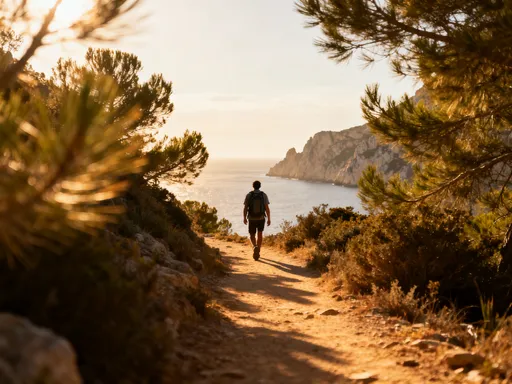
For those looking to slow down, the Franschhoek Pass offers a scenic walking trail that climbs gently into the mountains, providing panoramic views of the valley below. The path is well-maintained and suitable for moderate fitness levels, making it accessible to most travelers. Along the way, hikers pass through fynbos-covered slopes and shaded kloofs, with benches placed at scenic lookouts for rest and reflection. Many choose to bring a light picnic, enjoying sandwiches and fruit while listening to the wind in the trees. This kind of unhurried outdoor experience is central to the town’s identity—a reminder that pleasure does not require extravagance, only presence.
Another beloved tradition is the Franschhoek Wine Tram, a charming open-air train that loops between participating wine estates. While often associated with wine tasting, the tram also offers a relaxed way to see the countryside without the stress of driving. Passengers can hop on and off at various stops, exploring gardens, art installations, and farm stalls along the route. For visitors who prefer non-alcoholic options, many estates now offer gourmet food pairings, herbal tastings, and guided garden tours. The key to enjoying Franschhoek fully is to resist the urge to pack too much into one day—instead, savor each moment, whether it’s watching butterflies in a rose garden or sipping rooibos tea on a shaded veranda.
Paarl: Mountain Views and Low-Key Charm
Often overshadowed by its more famous neighbors, Paarl offers a refreshing alternative for travelers seeking authenticity and tranquility. Nestled beneath the dramatic Paarl Rock—a massive granite formation that glows amber in the late afternoon sun—the town has a grounded, unpretentious character. It is a place where daily life unfolds at a steady pace, where bakeries open at dawn, and neighbors greet each other by name. For the visitor, this means an opportunity to experience the Winelands without the crowds, enjoying the same natural beauty and warm hospitality in a more intimate setting.
The town’s riverside trail, following the course of the Berg River, is a hidden gem for walkers and cyclists. Shaded by willow and wild olive trees, the path meanders through open fields and patches of indigenous vegetation. Early risers may spot herons stalking the shallows or rabbits darting through the underbrush. Benches are placed at regular intervals, inviting rest and reflection. Families often come here on weekends, spreading out blankets for picnics or flying kites in the open meadows. The atmosphere is one of quiet joy—simple, wholesome, and deeply restorative.
Paarl is also gaining recognition for its craft beverage scene, particularly its local breweries and cider producers. Unlike the formal wine tastings of other towns, these venues often have a casual, farmyard charm. One popular spot, set on a working orchard, offers tastings of naturally fermented apple and pear ciders, served with homemade biltong and cheese platters. Visitors can sit at wooden tables under grape arbors, listening to live folk music on weekend afternoons. These experiences feel personal and unscripted, a welcome contrast to more commercialized offerings elsewhere in the region.
For those interested in seasonal activities, several family-run farms in the outskirts allow fruit picking during harvest months. From May to August, visitors can pick plums, apples, and pears, often accompanied by a farm tour and fresh juice tasting. Children especially love these visits, learning where food comes from while enjoying the freedom of open spaces. These agritourism experiences are not just entertaining—they foster a deeper appreciation for sustainable farming and seasonal eating, values that are central to the Winelands’ evolving identity.
Hidden Leisure Spots Beyond the Towns
While the towns of the Winelands are delightful, some of the region’s most rewarding experiences lie just off the main roads. Venturing into the countryside reveals quiet farm stalls, secluded picnic sites, and forest trails that offer solitude and natural beauty. These lesser-known spots are perfect for travelers who want to escape the tourist circuit and connect with the land on a more personal level. They require a bit of exploration, but the rewards—a quiet moment by a mountain stream, a view with no one else in sight—are immeasurable.
One such destination is the Simonsberg Nature Reserve, a protected area that spans over 1,200 hectares of fynbos and forest. The reserve offers several well-marked trails, ranging from gentle walks to more challenging hikes. The Klipkoppie Trail, though moderately strenuous, rewards hikers with breathtaking views of the entire Winelands valley. On clear days, one can see as far as Table Mountain. The trail passes through diverse ecosystems, from rocky outcrops to moist kloofs where ferns thrive. Because the reserve is not heavily promoted, it remains peaceful, with only a few fellow hikers encountered along the way.
Another hidden gem is the Hottentots Holland Mountains, accessible via a scenic drive from Stellenbosch. The area includes several conservation zones where visitors can walk, birdwatch, or simply sit and absorb the silence. A favorite spot is a small clearing beside a seasonal stream, where wildflowers bloom in spring and shade is plentiful in summer. Travelers should come prepared with water, sunscreen, and sturdy shoes, as mobile reception is limited and facilities are minimal. But these small inconveniences are part of the appeal—they encourage disconnection from devices and reconnection with nature.
Road conditions in these areas are generally good, especially on paved routes, but some farm roads are gravel and may require careful driving, particularly after rain. A rental car with decent clearance is recommended, though GPS navigation works reliably. Safety is not a concern in these rural areas, which are well-patrolled and frequented by locals. Still, it’s wise to inform someone of your plans and avoid hiking alone in remote zones. Packing a small day bag with water, snacks, a light jacket, and a first-aid kit ensures preparedness without overburdening the journey.
Wellness and Nature-Based Relaxation
The Cape Winelands have become a sanctuary for wellness seekers, offering a range of nature-based activities that restore both body and mind. Unlike urban spas that rely on artificial environments, many wellness centers in the region are set within working farms or nature reserves, integrating local botanicals, fresh air, and open skies into their practices. This deep connection to the natural world enhances the therapeutic value of treatments, making them not just indulgent, but grounding.
One popular offering is forest bathing, or “shinrin-yoku,” a practice rooted in Japanese tradition but perfectly suited to the Winelands’ serene landscapes. Guided sessions take place in secluded woods, where participants are encouraged to walk slowly, breathe deeply, and engage their senses. The scent of wild rosemary, the sound of rustling leaves, the feel of cool soil underfoot—all contribute to a state of calm awareness. Studies have shown that such immersion in nature reduces cortisol levels and improves mood, and in the Winelands, the effect is amplified by the region’s pristine air and quiet beauty.
Yoga retreats are another growing feature, often held in open-air pavilions overlooking vineyards or mountains. Morning sessions begin at sunrise, with gentle stretches and breathwork accompanied by bird calls and distant cowbells. Instructors emphasize mindfulness and alignment, creating a practice that feels nurturing rather than strenuous. Many retreats also include guided meditations, sound healing with local instruments, and workshops on herbal wellness using indigenous plants like buchu and honeybush.
Spa treatments in the Winelands often incorporate locally sourced ingredients—grape seed oil, rooibos extract, and fynbos hydrosols—known for their antioxidant and soothing properties. Massages are performed with warm oils infused with these botanicals, providing both physical relief and sensory pleasure. Unlike high-pressure urban spas, these experiences are designed to be unhurried, with ample time for rest before and after treatments. The goal is not just relaxation, but reintegration—a return to balance that lingers long after the visit ends.
Planning Your Leisure-Focused Visit: Timing, Transport, and Tips
Designing a fulfilling visit to the Cape Winelands begins with thoughtful planning. The region’s seasons offer distinct experiences, each with its own charm. Spring (August to October) brings wildflower blooms, with carpets of blue and yellow covering the hillsides. Autumn (March to May) is renowned for its golden vineyard hues and mild temperatures, making it ideal for outdoor activities. Summer can be warm, especially in January and February, but early mornings and late afternoons remain pleasant. Winter is cooler and wetter, but the rain enhances the greenery, and cozy fireside moments in country lodges become a highlight.
Transportation is a key consideration. While guided tours and shuttle services are available, renting a car offers the greatest flexibility, especially for reaching hidden spots and farm stalls. Most roads are well-maintained, and signage is clear, making navigation straightforward. For those who prefer not to drive, several companies offer private transfers and half-day tours that include stops at cafes, markets, and scenic viewpoints. These options allow visitors to enjoy the region without the responsibility of driving, particularly after lunch.
When planning an itinerary, it’s wise to balance structure with spontaneity. Allocating one town per day prevents rushing, while leaving room for unexpected discoveries—a roadside fruit stall, a quiet bench with a view, a chance invitation to a local event. Booking accommodations in advance is recommended, especially during peak seasons, but choosing smaller guesthouses or self-catering cottages often leads to more personal interactions with hosts and a homelier atmosphere. Many visitors find that staying in one base for several nights, then making day trips, reduces travel fatigue and enhances relaxation.
Packing should reflect the region’s variable weather and outdoor focus. Layers are essential—mornings can be cool, afternoons warm. Comfortable walking shoes, a sun hat, and a reusable water bottle are practical additions. Bringing a small notebook or sketchpad can enrich the experience, allowing moments of reflection to be captured. Most importantly, arriving with an open mind and a willingness to slow down ensures that the true spirit of the Winelands is felt, not just seen.
Conclusion: Rediscovering the Art of Slow Enjoyment
The Cape Winelands are more than a collection of towns and vineyards—they are an invitation to live differently, even if only for a few days. In a world that glorifies speed and productivity, this region offers a gentle counterpoint: a reminder that joy often lies in the quiet moments, the unscripted encounters, the simple act of being present. Whether walking through a sunlit orchard, sipping tea in a village square, or watching light shift over the mountains, visitors discover that leisure is not a luxury, but a necessity for a balanced life.
What makes the Winelands truly special is their ability to nurture the soul without demanding extravagance. You don’t need to spend lavishly to feel enriched. A shared meal, a forest path, a conversation with a local—these are the experiences that linger. For the woman who gives so much to her family and community, this region offers a rare gift: space to breathe, time to reflect, and beauty to restore the spirit.
As you plan your next journey, consider letting go of the checklist. Instead, allow yourself to wander, to pause, to savor. Let the rhythm of the Winelands guide you. In doing so, you may find not just a beautiful destination, but a renewed sense of what it means to live well. The art of slow enjoyment is not lost—it is waiting, quietly, in the heart of the Cape Winelands.