You Won’t Believe These Natural Escapes Near Guadalajara
Guadalajara isn’t just about vibrant culture and street tacos—its wild side is closer than you think. Just beyond the city buzz, misty mountains, shimmering lakes, and hidden waterfalls await. I was blown away by how easy it is to trade concrete for canyon views and crowded plazas for pine-scented trails. If you're craving nature without the hassle, Guadalajara delivers—no overpacked backpack required. Whether you're a local looking for a peaceful weekend or a visitor hoping to see more than the city center, the region offers accessible, breathtaking escapes that balance adventure with serenity. These natural retreats are not only within reach but also deeply enriching, offering moments of clarity, beauty, and connection that linger long after the journey ends.
Why Nature Lovers Should Look Beyond Downtown
While Guadalajara thrives as Mexico’s cultural heart, pulsing with mariachi music, colonial architecture, and bustling markets, its greatest gift may lie just beyond the urban perimeter. The city’s unique geographical position—nestled in the fertile Atemajac Valley and bordered by the Sierra Madre Occidental to the northwest—makes it a natural gateway to some of western Mexico’s most diverse ecosystems. Within an hour’s drive, visitors can transition from tropical dry forests to pine-oak woodlands, highland meadows, and freshwater springs, all shaped by volcanic activity and ancient river systems.
This proximity to nature is not merely a convenience; it’s a rare privilege. Few major cities in North America offer such immediate access to such varied landscapes. The contrast between Guadalajara’s energetic streets and the stillness of its surrounding wilderness creates a powerful balance. One moment, you’re sipping coffee in a lively café; the next, you’re breathing crisp mountain air while gazing into a canyon carved over millennia. For families, couples, or solo travelers seeking respite, these nearby natural zones provide a reset—a chance to slow down, reconnect with the earth, and return to daily life with renewed perspective.
What makes these escapes even more appealing is their accessibility. Most require no specialized gear, extensive hiking experience, or multi-day commitments. They are designed for real life: weekend outings, afternoon adventures, or even morning excursions before the heat of the day sets in. With proper planning and awareness, anyone can enjoy them safely and meaningfully. The key is knowing where to go, when to go, and how to prepare—information that transforms a simple trip into a memorable, restorative experience.
Barranca de Huentitán: The Hidden Canyon at the City’s Edge
Just ten miles north of Guadalajara’s city center lies one of its best-kept secrets: Barranca de Huentitán, a dramatic canyon carved by the Río Grande de Santiago. This protected natural reserve stretches over 1,300 acres and plunges nearly 1,000 feet in some areas, offering a striking contrast to the urban sprawl just beyond its rim. Despite its proximity to millions of residents, the canyon feels remote and wild, home to over 200 species of plants, birds, and small mammals. Trails wind through arid scrubland and pockets of riparian vegetation, where the sound of traffic fades into the rustle of leaves and the distant cry of hawks overhead.
Visitors can access the reserve through several entry points, with the most popular being the Mirador del Coronel, which provides a panoramic overlook perfect for photography and quiet reflection. From there, well-marked paths lead down into the canyon, though hikers should be prepared for steep inclines and uneven terrain. Sturdy footwear with good ankle support is essential, especially during the rainy season when rocks can become slippery. The descent rewards with sweeping views of the river below and glimpses of native wildlife, including gray foxes, raccoons, and the occasional peregrine falcon.
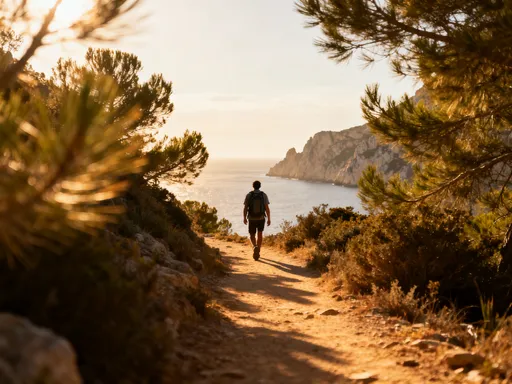
Beyond its scenic beauty, Barranca de Huentitán holds cultural significance. It has long served as a spiritual site for indigenous communities, and remnants of ancient petroglyphs can still be found along some trails. Conservation efforts are ongoing, with local organizations working to prevent illegal dumping and preserve native plant species. As a visitor, respecting the environment means staying on designated paths, carrying out all trash, and avoiding loud noises that could disturb both wildlife and other hikers. The best times to visit are early morning or late afternoon, when temperatures are cooler and the light casts a golden glow across the canyon walls.
Lake Chapala: Mexico’s Largest Freshwater Lake
Approximately 50 kilometers southeast of Guadalajara lies Lake Chapala, the largest natural freshwater lake in Mexico. Spanning nearly 40 miles in length, this expansive body of water straddles the border between Jalisco and Michoacán, creating a unique microclimate that supports lush vegetation and a wide variety of birdlife. The lakeside towns of Ajijic and Jamay are among the most popular destinations for day-trippers and retirees alike, offering a blend of Mexican charm and international flair. Cobblestone streets, colorful murals, and sidewalk cafés line the malecón (boardwalk), where locals and visitors stroll, sip coffee, or enjoy fresh fruit from roadside vendors.
One of the lake’s greatest appeals is its accessibility and gentle pace. Unlike rugged mountain hikes or deep forest treks, Lake Chapala invites leisurely exploration. Birdwatchers will delight in spotting migratory species such as white pelicans, great blue herons, and northern pintails, especially during the winter months. Early risers often gather at the eastern shores near La Barca, where mist rises off the water and the silence is broken only by the call of waterfowl. Kayaking and small boat tours are available through licensed operators, offering a closer look at hidden coves and reed-lined inlets teeming with life.
Getting to Lake Chapala is straightforward. Direct buses run from Guadalajara’s Central del Sur station to Ajijic, and taxis or ride-sharing services are readily available for those with luggage or mobility concerns. Parking is limited near the main plaza, so arriving early is advisable. For families, the lakeside parks provide shaded picnic areas and safe spaces for children to play. Food options range from traditional fish tacos wrapped in corn tortillas to European-style bakeries serving artisanal breads. To avoid tourist markups, look for small, family-run fondas tucked away from the main drag—these often serve the freshest, most authentic meals at fair prices.
Sierra de Quila: A Forgotten Forest Reserve
Southwest of Guadalajara, past the town of El Grullo, lies the Sierra de Quila Flora and Fauna Protection Area—an often-overlooked gem spanning over 130,000 acres of cloud forest, oak woodland, and grassland. Designated as a protected area in 1982, this reserve harbors a surprising level of biodiversity, including endangered species like the bobcat, white-tailed deer, and the elusive jaguarundi. Towering ahuehuete trees, some centuries old, stand like sentinels along mountain streams, while orchids and bromeliads cling to moss-covered branches in the humid understory.
Access to Sierra de Quila requires advance planning. Unlike more commercialized parks, entry is regulated to minimize environmental impact. Visitors must obtain a permit through the National Commission of Natural Protected Areas (CONANP) and are encouraged to book guided tours through certified local operators. These guides not only ensure safety but also enrich the experience with knowledge of plant uses, animal behavior, and conservation challenges. Most tours last between four and six hours, covering moderate trails that wind through forest clearings and alongside cascading streams. Overnight camping is permitted in designated zones, making it ideal for those seeking deeper immersion.
Because of its elevation—ranging from 4,000 to 8,000 feet—the climate can shift quickly. Layers are recommended, along with waterproof gear, especially during the rainy season from June to October. Insect repellent and biodegradable soap are essential for minimizing ecological disruption. The journey itself takes about two and a half hours by car, but the sense of remoteness is immediate upon arrival. There are no souvenir stands or convenience stores—just nature in its purest form. For those willing to make the trip, Sierra de Quila offers a rare opportunity to walk where few tourists go, to hear only the wind in the trees, and to feel truly unplugged from the modern world.
Volcán de Colima’s Base: Adventure with a View
Rising majestically on the horizon south of Guadalajara, the Volcán de Colima—also known as Volcán de Fuego—is one of Mexico’s most active volcanoes. While climbing to the summit is strictly prohibited due to ongoing seismic activity and safety risks, the lower slopes and surrounding villages offer safe and stunning alternatives for nature lovers. The town of Comala, often called “The White Village in the Sky,” sits on a ridge just below the volcano and is renowned for its cool climate, whitewashed buildings, and panoramic views. Just a short drive away, El Jabalí Hot Springs provides a relaxing soak in naturally heated mineral waters surrounded by forested hills.
The area around the volcano’s base is ideal for moderate hikes, photography, and learning about geothermal activity. Trails in the El Jabalí ecological park range from easy loops to more challenging ascents, all offering views of the volcanic cone shrouded in mist or glowing under morning light. Interpretive signs along the paths explain the region’s geological history, including past eruptions and the formation of lava fields now covered in vegetation. Families appreciate the picnic areas and clean restroom facilities, while adventure seekers may opt for horseback riding tours that traverse old lava flows and native oak groves.
Travelers should verify current conditions before visiting, as access can be restricted during periods of increased volcanic activity. The Jalisco state government and the National Center for Prevention of Disasters (CENAPRED) provide regular updates online and through local news outlets. Weather is another consideration—afternoon thunderstorms are common in summer, so morning visits are safest. Transportation options include rental cars, organized tours from Guadalajara, or public buses to Comala followed by taxis to trailheads. Regardless of how you arrive, the experience of standing at the foot of an active volcano, feeling the warmth of the earth beneath your feet, is nothing short of awe-inspiring—without the danger of going too far.
Practical Tips for Nature Trips from Guadalajara
Planning a successful nature escape begins with preparation. Whether you’re heading to a canyon, lake, or forest reserve, knowing what to bring and when to go can make all the difference. Start by deciding between a day trip and an overnight stay. Day trips are perfect for those with limited time, especially if visiting Barranca de Huentitán or Lake Chapala. For deeper exploration—like a full tour of Sierra de Quila or an extended stay near Comala—an overnight option allows for a more relaxed pace and the chance to experience sunrise in nature, often the most magical time of day.
Packing essentials include plenty of water (at least one liter per person), sunscreen, a wide-brimmed hat, and UV-protective clothing. Even on cloudy days, the highland sun can be intense. Snacks like nuts, fruit, and energy bars are wise choices, especially when restaurant options are limited. Always carry cash in small denominations—many rural areas do not accept credit cards, and ATMs may be scarce. A basic first-aid kit, whistle, and flashlight are also recommended, particularly for longer hikes.
Checking weather and road conditions before departure is non-negotiable. Mountain roads can become slick or blocked during rain, and GPS signals may drop in remote zones. Use trusted apps like ClimaTIC for local forecasts or Google Maps in offline mode with downloaded regions. For protected areas requiring permits, apply at least a week in advance through official channels. Finally, inform someone of your itinerary and expected return time—this simple step enhances safety without adding complexity.
Common mistakes include underestimating altitude effects, especially in Sierra de Quila or near Volcán de Colima, where elevations exceed 6,000 feet. Symptoms like dizziness or shortness of breath can occur even in healthy adults. Acclimatize gradually, avoid alcohol the night before, and stay hydrated. Another frequent error is over-relying on digital navigation. Paper maps or printed directions serve as reliable backups. By respecting nature’s unpredictability and preparing thoughtfully, every trip becomes not just enjoyable, but truly safe and sustainable.
Why These Escapes Matter More Than You Think
Beyond the scenic views and photo opportunities, these natural escapes near Guadalajara offer something deeper: a chance to restore balance in a fast-paced world. Research consistently shows that spending time in nature reduces stress hormones, improves mood, and enhances cognitive function. For women, especially those managing households, careers, or caregiving roles, these short getaways provide essential mental space—time to breathe, reflect, and reconnect with oneself. The rhythmic lapping of waves on Lake Chapala, the scent of pine in Sierra de Quila, or the vast silence of Barranca de Huentitán all serve as gentle reminders that life doesn’t always need to move at full speed.
These experiences also foster a deeper appreciation for the natural world and our place within it. When children see deer in the wild or spot birds they’ve only read about in books, their sense of wonder grows. When couples walk side by side without distractions, their connection strengthens. When solo travelers sit quietly by a stream, they often return with new insights about their lives. These moments may seem small, but their cumulative effect is powerful—building resilience, gratitude, and a sense of belonging to something larger than daily routines.
Guadalajara’s surrounding landscapes are not just recreational spots; they are vital sanctuaries. In an era of digital overload and urban congestion, they offer grounding, healing, and inspiration. By stepping into nature, even for a few hours, we reclaim a part of ourselves that modern life often overlooks. And the best part? These transformations don’t require a passport, a long vacation, or a hefty budget. They begin with a simple decision—to leave the city behind, follow the road upward, and let the wild take over. So the next time you feel overwhelmed or disconnected, remember: peace is closer than you think. It’s waiting in the misty highlands, beside the quiet lake, or deep within the forest—just a short drive from one of Mexico’s most vibrant cities.